Make each session fit your needs and schedule
How to Use Sample Routines
Unlike gym programs that require equipment and travel, these home workouts are built around bodyweight movements that can be performed in any room. By following a step-by-step approach, you’ll learn the basics of safe form, how to use modifications, and the importance of rest. Each session is designed to fit your real schedule—even if you only have 20 minutes.
Progress comes from input, not from chasing perfection. Start with the beginner routine, focusing on movement quality and steady repetition. Over time, as you feel more comfortable, add extra rounds or try new exercises. There’s no minimum required to see improvement—measurable results often begin with small, regular sessions.
Track your effort and celebrate consistency, not just outcomes. Using a simple log or checklist can reinforce your habit and show you how your routine is evolving. If you miss a day, adjust and keep moving forward; the goal is sustainable progress that adapts to your real life.
Beginner Bodyweight Workout Steps
1
Warm-Up and Prepare
Start with 3–5 minutes of gentle movement such as marching in place, arm circles, or light stretching. This raises your heart rate and prepares your joints for the session ahead.
2
Complete Circuit Exercises
Perform 3 rounds of bodyweight squats, wall push-ups, and glute bridges. Rest for 30–60 seconds between exercises. Use modifications if any movement feels too challenging.
3
Cool Down and Recover
Finish with a few minutes of gentle stretching, focusing on areas you worked. Deep breaths and a slow pace support recovery and help prevent soreness for your next session.
Exercise Demonstrations
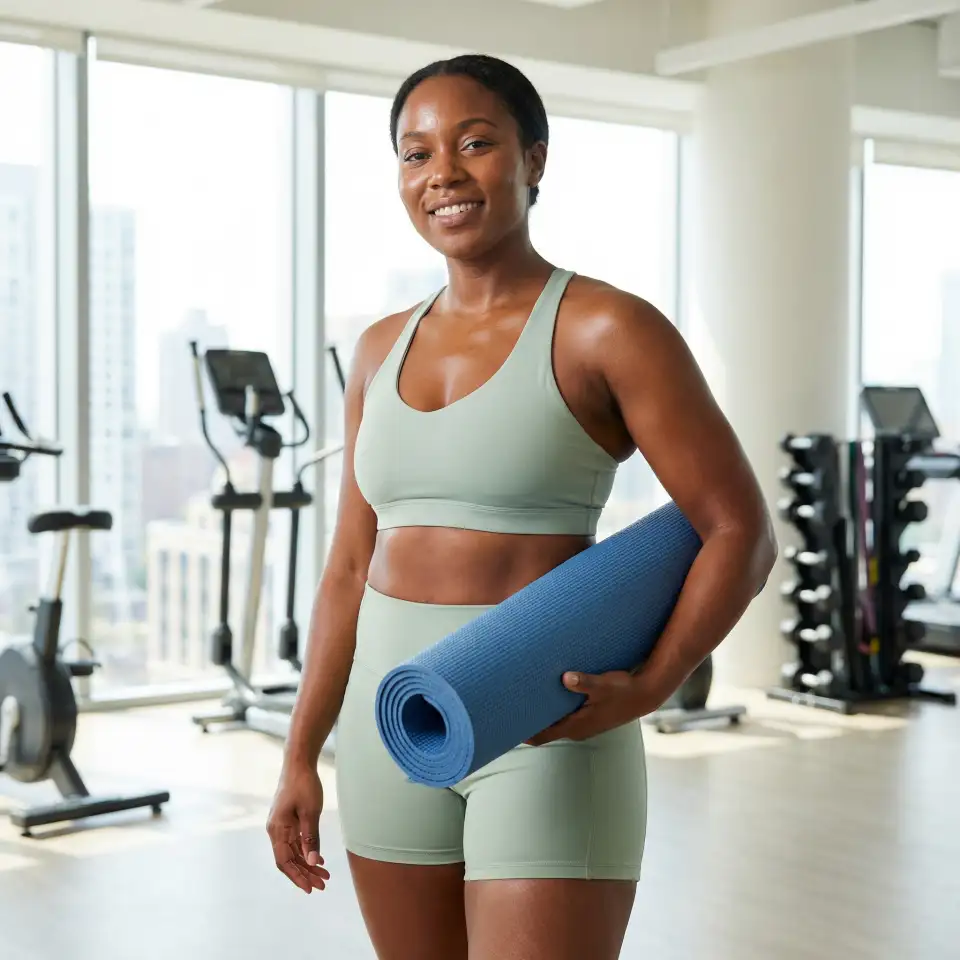
See examples of form and technique for common home exercises
1

2
3

4

5
6
Improving Home Workouts
1
Focus on Controlled Movements
Moving slowly and with purpose increases muscle activation and helps prevent injury. Don’t rush—quality beats speed every time.
2
Modify to Match Your Level
It’s normal to adjust exercises. Use a wall for push-ups or shorten range of motion to
keep form safe and consistent.
3
Track Your Input Weekly
Logging each completed workout—even short ones—provides motivation and shows measurable progress over time.
4
Increase Challenge Gradually
Once a workout feels easy, add another round or new exercise. Small increases help your body adapt without added risk.